• John York Thomas the Tank Engine, 'Signal to stop!'

    Ink on cel 41 x 30 cm This black-and-white ink illustration was part of the storyboard for the episode 'Signal to Stop!'. In this episode, Thomas encounters a red signal that he must wait for. Unbeknownst to him, the signal is broken, causing a traffic jam as other engines like Percy, James, Gordon, and Toby arrive behind him. Toby, who is instructed to bring workmen to fix the signal, eventually reveals that the signal is broken. The trains are able to continue on their way and the episode concludes with a happy ending. Condition: Generally very good.

    If you would like to know more, please email info@manningfineart.co.uk or call us on 07929 749056.
  • John York Thomas the Tank Engine at Wellsworth Station

    Ink on cel 41 x 30 cm This black-and-white ink illustration was part of the storyboard for the episode 'Signal to Stop!'. In this episode, Thomas encounters a red signal that he must wait for. Unbeknownst to him, the signal is broken, causing a traffic jam as other engines like Percy, James, Gordon, and Toby arrive behind him. Toby, who is instructed to bring workmen to fix the signal, eventually reveals that the signal is broken. The trains are able to continue on their way and the episode concludes with a happy ending. Condition: Generally very good,

    If you would like to know more, please email info@manningfineart.co.uk or call us on 07929 749056.

  • John York Thomas the Tank 'Seeing Signals'

    Ink on cel 41 x 30 cm This black-and-white ink illustration is from the Thomas & Friends episode "Seeing Signals." This episode features Thomas delivering trucks to Wellsworth, but a thick mist causes him to miss a signal and end up on the wrong track, leading to a near accident and the discovery of a signalman who had sprained his ankle and was unable to call for help. Luckily, the signalman's ankle is not badly sprained and he is soon back at work. When Thomas passes the signal box again, the signalman waves as normal. Thomas thinks that is the best signal of all. This illustration depicts a scene from the beginning of the episode. Thomas and his driver both appear dismayed as they roll into the unknown and are engulfed by the thick fog. Condition: generally very good.

    If you would like to know more, please email info@manningfineart.co.uk or call us on 07929 749056.

  • John York Thomas the Tank 'Seeing Signals'

    Ink on cel 41 x 30 cm This black-and-white ink illustration is from the Thomas & Friends episode "Seeing Signals." This episode features Thomas delivering trucks to Wellsworth, but a thick mist causes him to miss a signal and end up on the wrong track, leading to a near accident and the discovery of a signalman who had sprained his ankle and was unable to call for help. Luckily, the signalman's ankle is not badly sprained and he is soon back at work. When Thomas passes the signal box again, the signalman waves as normal. Thomas thinks that is the best signal of all. This trio of illustrations captures Thomas' shifting emotions as he realises he is not at all on his branch line and is heading straight towards some buffers. He seems to be bracing for impact with his breaks screeching all around him. Condition: generally very good.

    If you would like to know more, please email info@manningfineart.co.uk or call us on 07929 749056.

  • Penelope Ellis (1935-2016) Horse by the Barn

    Woodblock print 11 x 16 cm Provenance: From the artist's estate sale. ​Penelope Mary Ellis (1935–2016) was a British artist celebrated for her conceptual abstract works in the 1960s. Born in Hampstead, London, she was the eldest daughter of artists and educators Clifford and Rosemary Ellis. Ellis attended the High School in Bath before enrolling at the Slade School of Fine Art from 1953 to 1956, focusing on sculpture. She was awarded a British Institute in Paris Scholarship for the 1956–1957 academic year, allowing her to further her art studies in France. Upon returning to England, Ellis taught art at Badminton School until her retirement in 1997. Ellis was known for her pioneering conceptual abstract oil paintings in the 1960s, noted for being ahead of their time. Additionally, she created sculptures, ceramics, jewellery, and models, showcasing her versatility and commitment to professional craftsmanship. This woodblock print depicts a horse waiting outside a stable. Its lines and shapes are somewhat irregular, suggesting either a deliberate folk-art influence or the natural texture of the woodblock carving process. Furthermore, Ellis makes use of the technique of 'negative space', creating contrasts, for example, between the bricks of the stable, the roof and the horse. This composition was likely produced in Ellis's early artistic career, before she shifted to more abstract conceptual work. In any case, it is a beautiful and evocative piece, capturing a rustic, almost timeless moment with striking simplicity. Condition: Generally very good.

    If you would like to know more, please email info@manningfineart.co.uk or call us on 07929 749056.

  • Penelope Ellis (1935-2016) Heading out to Pasture

    Woodblock print 11 x 16 cm Provenance: From the artist's estate sale. ​Penelope Mary Ellis (1935–2016) was a British artist celebrated for her conceptual abstract works in the 1960s. Born in Hampstead, London, she was the eldest daughter of artists and educators Clifford and Rosemary Ellis. Ellis attended the High School in Bath before enrolling at the Slade School of Fine Art from 1953 to 1956, focusing on sculpture. She was awarded a British Institute in Paris Scholarship for the 1956–1957 academic year, allowing her to further her art studies in France. Upon returning to England, Ellis taught art at Badminton School until her retirement in 1997. Ellis was known for her pioneering conceptual abstract oil paintings in the 1960s, noted for being ahead of their time. Additionally, she created sculptures, ceramics, jewellery, and models, showcasing her versatility and commitment to professional craftsmanship. This woodblock print depicts a cow heading out to pasture. Its lines and shapes are somewhat irregular, suggesting either a deliberate folk-art influence or the natural texture of the woodblock carving process. Furthermore, Ellis makes use of the technique of 'negative space', creating contrasts, for example, between the cow's white spots, its dark patches, the grass and the buildings depicted in the background. This composition was likely produced in Ellis's early artistic career, before she shifted to more abstract conceptual work. In any case, it is a beautiful and evocative piece, capturing a rustic, almost timeless moment with striking simplicity. Condition: Generally very good.

    If you would like to know more, please email info@manningfineart.co.uk or call us on 07929 749056.

  • Penelope Ellis (1935-2016) Wallowing in the Mud

    Woodblock print 16 x 11 cm Provenance: From the artist's estate sale. ​Penelope Mary Ellis (1935–2016) was a British artist celebrated for her conceptual abstract works in the 1960s. Born in Hampstead, London, she was the eldest daughter of artists and educators Clifford and Rosemary Ellis. Ellis attended the High School in Bath before enrolling at the Slade School of Fine Art from 1953 to 1956, focusing on sculpture. She was awarded a British Institute in Paris Scholarship for the 1956–1957 academic year, allowing her to further her art studies in France. Upon returning to England, Ellis taught art at Badminton School until her retirement in 1997. Ellis was known for her pioneering conceptual abstract oil paintings in the 1960s, noted for being ahead of their time. Additionally, she created sculptures, ceramics, jewellery, and models, showcasing her versatility and commitment to professional craftsmanship. This woodblock print depicts a cow heading out to pasture. Its lines and shapes are irregular, suggesting either a deliberate folk-art influence or the natural texture of the woodblock carving process. Furthermore, Ellis makes use of the technique of 'negative space', creating contrasts, as is exemplified by her choice to depict the mud and surroundings of the stye in light colours and the pig conversely in dark colours. Although this work hints at her later abstract techniques through the unconventional use of colour, this composition was likely produced in Ellis's early artistic career, before she shifted to more abstract conceptual work. In any case, it is a beautiful and evocative piece, capturing a rustic, almost timeless moment with striking simplicity. Condition: Generally very good.

    If you would like to know more, please email info@manningfineart.co.uk or call us on 07929 749056.

  • Penelope Ellis (1935-2016) Up with the Rooster

    Woodblock print 15 x 11 cm Provenance: From the artist's estate sale. ​Penelope Mary Ellis (1935–2016) was a British artist celebrated for her conceptual abstract works in the 1960s. Born in Hampstead, London, she was the eldest daughter of artists and educators Clifford and Rosemary Ellis. Ellis attended the High School in Bath before enrolling at the Slade School of Fine Art from 1953 to 1956, focusing on sculpture. She was awarded a British Institute in Paris Scholarship for the 1956–1957 academic year, allowing her to further her art studies in France. Upon returning to England, Ellis taught art at Badminton School until her retirement in 1997. Ellis was known for her pioneering conceptual abstract oil paintings in the 1960s, noted for being ahead of their time. Additionally, she created sculptures, ceramics, jewellery, and models, showcasing her versatility and commitment to professional craftsmanship. This woodblock print depicts a rooster strutting across the farmyard. Its lines and shapes are irregular, suggesting either a deliberate folk-art influence or the natural texture of the woodblock carving process. Furthermore, Ellis makes use of the technique of 'negative space', creating contrasts between, for example, the bricks of the farm buildings and the rooster's body. This composition was likely produced in Ellis's early artistic career, before she shifted to more abstract conceptual work. In any case, it is a beautiful and evocative piece, capturing a rustic, almost timeless moment with striking simplicity. Condition: Generally very good.

    If you would like to know more, please email info@manningfineart.co.uk or call us on 07929 749056.

  • Penelope Ellis (1935-2016) Peeking inside the barn

    Woodblock print 15 x 11 cm Provenance: From the artist's estate sale. ​Penelope Mary Ellis (1935–2016) was a British artist celebrated for her conceptual abstract works in the 1960s. Born in Hampstead, London, she was the eldest daughter of artists and educators Clifford and Rosemary Ellis. Ellis attended the High School in Bath before enrolling at the Slade School of Fine Art from 1953 to 1956, focusing on sculpture. She was awarded a British Institute in Paris Scholarship for the 1956–1957 academic year, allowing her to further her art studies in France. Upon returning to England, Ellis taught art at Badminton School until her retirement in 1997. Ellis was known for her pioneering conceptual abstract oil paintings in the 1960s, noted for being ahead of their time. Additionally, she created sculptures, ceramics, jewellery, and models, showcasing her versatility and commitment to professional craftsmanship. This woodblock print depicts a tractor parked inside of a barn with a nearby horse hanging its head over the gate to its stable. Ellis's lines and shapes are irregular, suggesting either a deliberate folk-art influence or the natural texture of the woodblock carving process. Furthermore, Ellis makes use of the technique of 'negative space', creating contrasts between the outline of the tractor and its surroundings. This composition was likely produced in Ellis's early artistic career, before she shifted to more abstract conceptual work. In any case, it is a beautiful and evocative piece, capturing a rustic, almost timeless moment with striking simplicity. Condition: Generally very good.

    If you would like to know more, please email info@manningfineart.co.uk or call us on 07929 749056.

  • Messrs Stearn The 69th Boat Race at Hammersmith, 1912

    Albumen print 16 x 21 cm This photograph depicts Oxford and Cambridge neck and neck at Hammersmith in the 1912 Oxford-Cambridge boat race. This event turned into a dramatic showdown. Oxford went into the race as reigning champions, having won the previous year's race. The 1912 race took a disastrous turn, however, as the event on the 30th of March ended in Cambridge sinking, Oxford waterlogged and the event being declared a 'no-race.' In the subsequent re-row on the following Monday, the race was won by Oxford by six lengths. Condition: A few soft creases and an old fold towards left edge.

    If you would like to know more, please email info@manningfineart.co.uk or call us on 07929 749056.

  • William Bunbury, engraved by James Bretherton College Fun or Quizzing the Proctor Hand coloured engraving 27 x 34 cm c.1790 In this playful scene, a proctor--garnering a powdered wig and academic dress--is reading a public proclamation regarding a 'general fast.' Unbeknownst to him, a mischievous student is pinning a satirical note on his back. The note mocks the proctor's authority, reading, "From all Pride, Vanity, Glory and Hypocrisy, Good Lord Deliver us." Meanwhile, two other students, dressed in academic gowns and mortarboards, stand to the left, laughing and gesturing at the proctor, clearly enjoying the other student's prank. This caricatural scene dates from the late 18th century, a period when William Bunbury, alongside James Gillray, Thomas Rowlandson, and Isaac Cruikshank, was producing humorous and often politically charged works. Their engravings frequently lampooned figures of authority, including politicians, clergy, and university officials. This engraving is therefore illustrative of its time, clearly representing broader trends in the unique convergence between art and politics. William Bunbury was an English caricaturist and illustrator known for his humorous depictions of 18th-century social life. Born in 1750 into an aristocratic family, he studied at St. Catharine’s College, Cambridge, where he developed a passion for art. Unlike many professional artists of his time, Bunbury was a gentleman amateur, meaning he pursued art for personal enjoyment rather than financial necessity. Though not as politically charged as contemporaries like James Gillray or Thomas Rowlandson, Bunbury’s style was more lighthearted and observational. His illustrations of rural life, student antics, and military themes were especially popular, influencing later British caricature. Although he passed away in 1811, he left a legacy of caricatures that wittily captured the unique humour and manners of Georgian England. Condition: Generally very good, some age toning.

    If you would like to know more, please email info@manningfineart.co.uk or call us on 07929 749056.

  • William Bunbury, engraved by James Bretherton The Hopes of the Family

    Hand coloured engraving 26 x 36 cm c.1790 This engraving, titled "The Hopes of the Family – An Admission at the University", is satirical work by William Bunbury. The scene portrays a young man being presented for admission to the University of Cambridge. Although the title suggests that the boy is expected to achieve great things, his appearance and and general demeanour hint at incompetence or lack of enthusiasm, thus introducing an ironic paradox. This caricatural scene dates from the late 18th century, a period when William Bunbury, alongside James Gillray, Thomas Rowlandson, and Isaac Cruikshank, was producing humorous and often politically charged works. Their engravings frequently lampooned figures of authority, including politicians, clergy, and university officials. This engraving is therefore illustrative of its time, clearly representing broader trends in the unique convergence between art and politics. William Bunbury was an English caricaturist and illustrator known for his humorous depictions of 18th-century social life. Born in 1750 into an aristocratic family, he studied at St. Catharine’s College, Cambridge, where he developed a passion for art. Unlike many professional artists of his time, Bunbury was a gentleman amateur, meaning he pursued art for personal enjoyment rather than financial necessity. Though not as politically charged as contemporaries like James Gillray or Thomas Rowlandson, Bunbury’s style was more lighthearted and observational. His illustrations of rural life, student antics, and military themes were especially popular, influencing later British caricature. Although he passed away in 1811, he left a legacy of caricatures that wittily captured the unique humour and manners of Georgian England. Condition: Generally very good, slight age toning.

    If you would like to know more, please email info@manningfineart.co.uk or call us on 07929 749056.

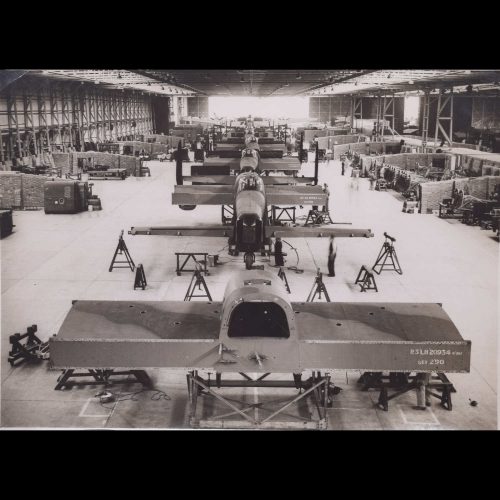
  • Lancaster Bombers under Construction

    Original Silver Gelatin photograph 17 x 21 cm Stamped to reverse 'Certified by Photographic News Agencies Ltd as passed by Censor' '23 Oct 1942' This photograph shows the parts of a Lancaster bomber being assembled. At the back of the photograph, facing away from the viewer, are two nearly or newly completed aircraft, their airscrews visible attached to the wings. The factory buzzes with activity as important war work is undertaken. We have been unable to trace any other copy of this photograph. Provenance: from the collection of Philip J R Moyes, author of many books on the RAF, most notably The Pictorial History which ran to several volumes.
  • John Hill (1770 - 1850) after Frederick Mackenzie (1788 - 1854) The Vestibule of Radcliffe Library (1815)

    Hand-coloured aquatint 24 x 29 cm Published by Rudolph Ackermann (1764 - 1834). Frederick Mackenzie (circa 1788 - 1854) was a British watercolourist and architectural draughtsman. He first exhibited at the Royal Academy in 1804, and contributed eleven drawings between that year and 1828. He contributed to the Society of Painters in Water Colours exhibitions from 1813, becoming an associate in 1822, and a full member the following year. From 30 November 1831 until, his death he was treasurer to the society. In later life Mackenzie was no longer commissioned to illustrate books. John Hill was born in London in 1770, and was an engraver's apprentice. He worked in aquatint and largely produced book illustration aquatints. He went to America in 1816 and produced the notable Picturesque Views of American Scenery amongst other books of prints. Rudolph Ackermann was an Anglo-German bookseller, inventor, lithographer, publisher and businessman. In 1795 he established a print-shop and drawing-school at 96 Strand. Here Ackermann set up a lithographic press and began a trade in prints. He later began to manufacture colours and thick carton paper for landscape and miniature painters. Within three years the premises had become too small and he moved to 101 Strand, in his own words "four doors nearer to Somerset House", the seat of the Royal Academy of Arts. Between 1797 and 1800 Ackermann rapidly developed his print and book publishing business, encompassing many different genres including topography, caricature, portraits, transparencies and decorative prints. Condition: Generally very good; slight staining just about visible top left and lower right.

    If you would like to know more, please email info@manningfineart.co.uk or call us on 07929 749056.

  • Effie Colbbelt

    Gate of Honour, Gonville and Caius College, Cambridge

    Watercolour 32x20cm If you are interested email info@manningfineart.co.uk or call us on 07929 749056. Condition: Good.
  • Silhouette (circa 1870)

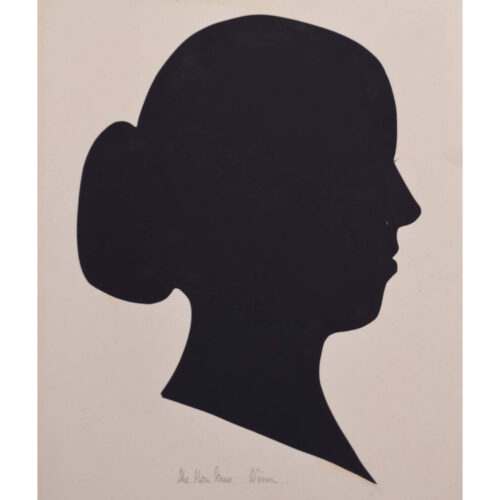
    The Hon Mrs F Byron

    Gouache, pen, and ink 52 x 44 cm Likely Mary Jane Wescomb, the daughter of the daughter of Reverend William Wescomb. She married the Hon Frederick Byron in 1851; Byron was a cricketer educated at Westminster and Balliol College, Oxford, and became a fellow at All Souls College in 1843. The couple moved in to Langford Grove together after their marriage. Prior to photography, silhouettes were the easiest way of recording a person's appearance. This set might record the group present at a country house party, a wedding, or other similar convivial occasion. Condition: generally very good. If you’d like to know more, please email info@manningfineart.co.uk or call us on 07929 749056.
  • Silhouette (circa 1870)

    Lennox

    Gouache, pen, and ink 52 x 44 cm Prior to photography, silhouettes were the easiest way of recording a person's appearance. This set might record the group present at a country house party, a wedding, or other similar convivial occasion. Condition: generally very good. If you’d like to know more, please email info@manningfineart.co.uk or call us on 07929 749056.
  • Silhouette (circa 1870)

    Miss Chapman

    Gouache, pen, and ink 52 x 44 cm One of the daughters of David Barclay Chapman - either Ella Maria or Eugenia Susannah. His other daughter, Adeline Mary, appears in another silhouette from this particular set. David Barclay Chapman was a partner in the bank which in 1896 became the Limited Company Barclay & Co, known today as Barclay's. Prior to photography, silhouettes were the easiest way of recording a person's appearance. This set might record the group present at a country house party, a wedding, or other similar convivial occasion. Condition: generally very good. If you’d like to know more, please email info@manningfineart.co.uk or call us on 07929 749056.
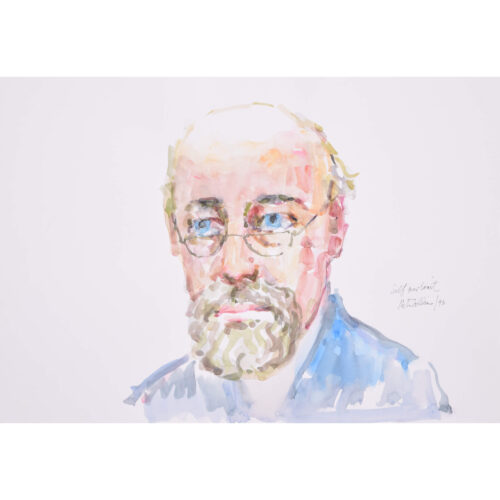
  • Peter Collins ARCA (1923 - 2001)

    Self-Portrait

      Watercolour 32 x 45 cm Provenance: the artist's studio sale. Collins's first job was at an advertising agency, in the commercial studio. World War II interrupted his career and he joined the Royal Artillery (of the British Army), teaching painting and drawing in the Education Corps - whilst simultaneously teaching at St Martin's School of Art, part time. Following the war, Collins studied at the Royal College of Art, winning a scholarship. He then worked as a commercial artist, producing some well-known posters for clients including British Railways and British European Airways. He was the Art Director at Odhams Press and spent time designing for both ICI and Shell. With his wife Georgette, he created the 'Bacombe Galleries' in Sussex, converting a group of buildings into a gallery space. In 1975 they developed the Stanley Studios in Chelsea, which were scheduled for redevelopment, into a combined artists' studio and residence. Moving into the Stanley Studios allowed the Collinses to immerse themselves in Chelsea's art scene, and they proceeded to fill the studios with art, antiques, sculpture, and other curios. Condition: generally very good. If you are interested, please email info@manningfineart.co.uk or call us on 07929 749056. Click here for other works by Peter Collins.
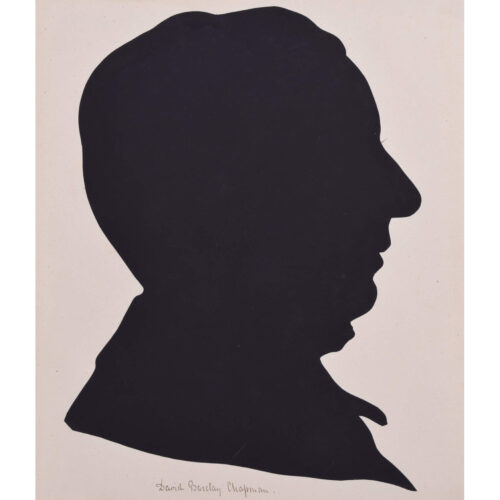
  • Silhouette (circa 1870)

    David Barclay Chapman

      Gouache, pen, and ink 52 x 44 cm David Barclay Chapman was a partner in the bank which in 1896 became the Limited Company Barclay & Co, known today as Barclay's. Two of his daughters appear in other silhouettes from this particular set. Prior to photography, silhouettes were the easiest way of recording a person's appearance. This set might record the group present at a country house party, a wedding, or other similar convivial occasion. Condition: generally good; some staining to upper edge. If you are interested, please email info@manningfineart.co.uk or call us on 07929 749056. Click here for other silhouettes.
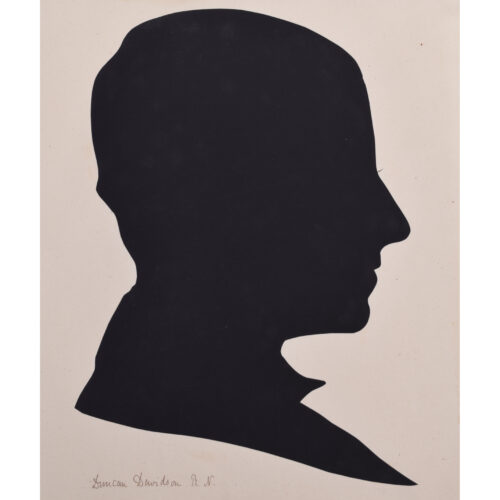
  • Silhouette (circa 1870)

    Duncan Davidson RN

      Gouache, pen, and ink 52 x 44 cm Captain Duncan George Davidson was born in 1833 served in the Royal Navy. He became a Captain in 1872 and captained H.M.S. Serapis between 1876 and 1879; he retired a year later. Prior to photography, silhouettes were the easiest way of recording a person's appearance. This set might record the group present at a country house party, a wedding, or other similar convivial occasion. Condition: generally very good. If you are interested, please email info@manningfineart.co.uk or call us on 07929 749056. Click here for other silhouettes.
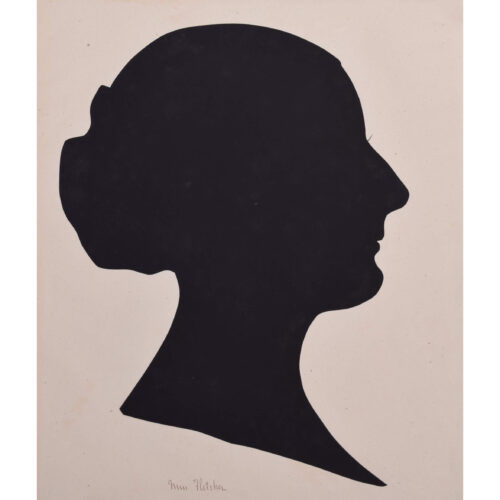
  • Silhouette (circa 1870)

    Miss Fletcher

      Gouache, pen, and ink 52 x 44 cm Prior to photography, silhouettes were the easiest way of recording a person's appearance. This set might record the group present at a country house party, a wedding, or other similar convivial occasion. Condition: generally very good. If you are interested, please email info@manningfineart.co.uk or call us on 07929 749056. Click here for other silhouettes.
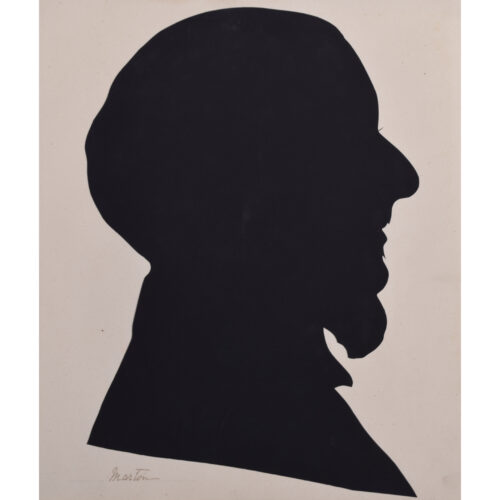
  • Silhouette (circa 1870)

    Marton

      Gouache, pen, and ink 52 x 44 cm Prior to photography, silhouettes were the easiest way of recording a person's appearance. This set might record the group present at a country house party, a wedding, or other similar convivial occasion. Condition: generally very good. If you are interested, please email info@manningfineart.co.uk or call us on 07929 749056. Click here for other silhouettes.
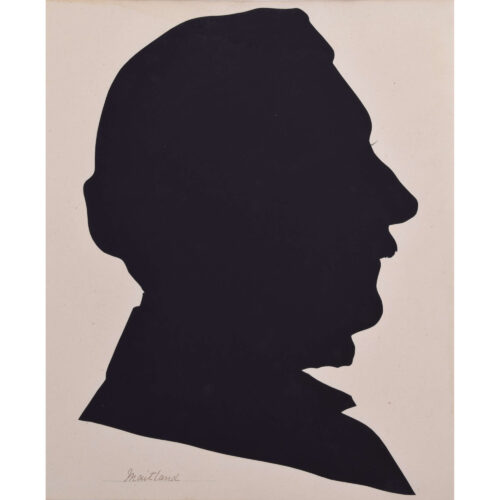
  • Silhouette (circa 1870)

    Maitland

      Gouache, pen, and ink 52 x 44 cm Prior to photography, silhouettes were the easiest way of recording a person's appearance. This set might record the group present at a country house party, a wedding, or other similar convivial occasion. Condition: very good. If you are interested, please email info@manningfineart.co.uk or call us on 07929 749056. Click here for other silhouettes.
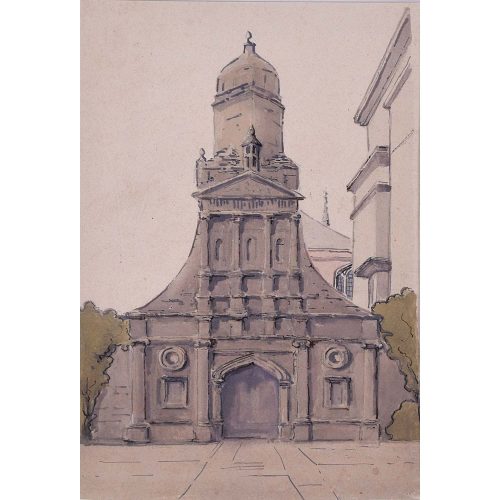
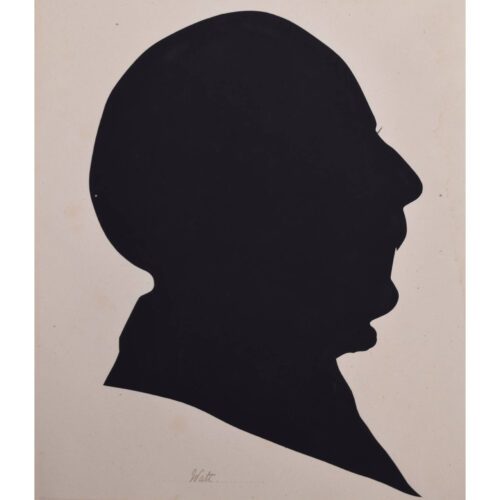
  • Silhouette (circa 1870)

    Watt

      Gouache, pen, and ink 52 x 44 cm Prior to photography, silhouettes were the easiest way of recording a person's appearance. This set might record the group present at a country house party, a wedding, or other similar convivial occasion. Condition: generally very good. If you are interested, please email info@manningfineart.co.uk or call us on 07929 749056. Click here for other silhouettes.
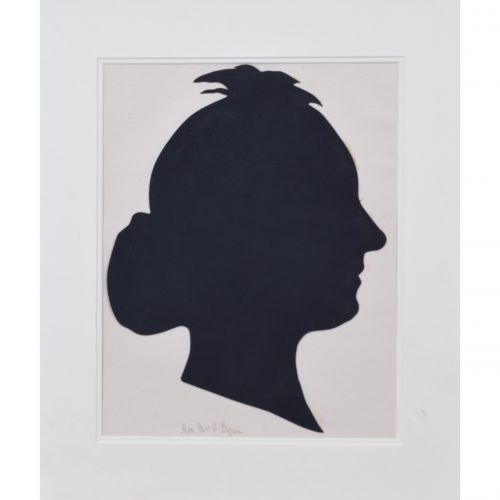
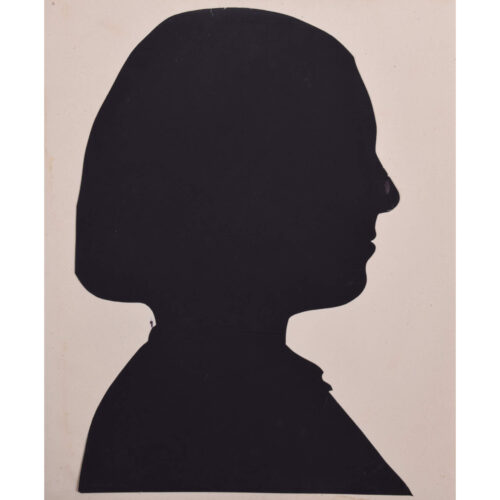
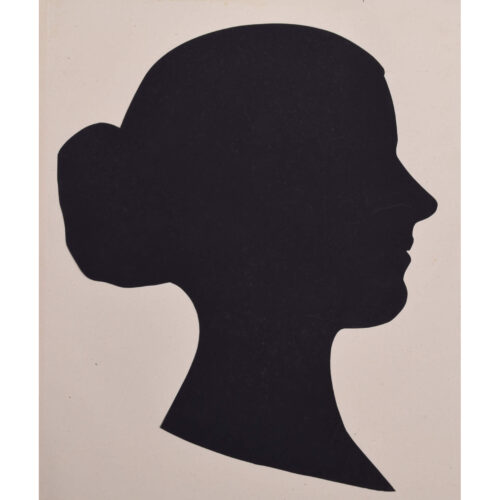
  • Silhouette of a Lady III (circa 1870)

      Gouache, pen, and ink 52 x 44 cm Prior to photography, silhouettes were the easiest way of recording a person's appearance. This set might record the group present at a country house party, a wedding, or other similar convivial occasion. Condition: very good. If you are interested, please email info@manningfineart.co.uk or call us on 07929 749056. Click here for other silhouettes.
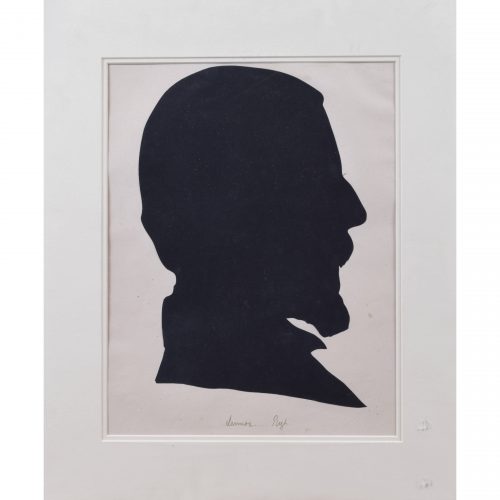
  • Silhouette of a Gentleman I (circa 1870)

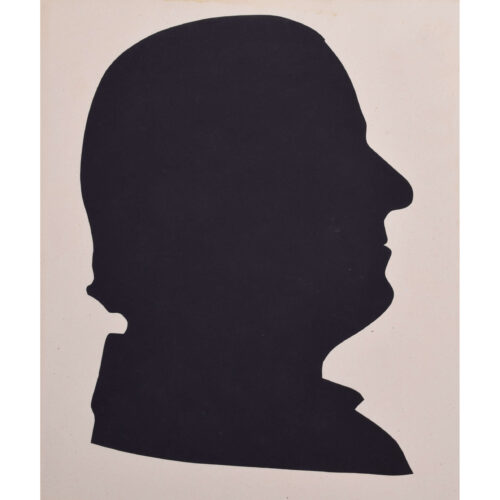
      Gouache, pen, and ink 52 x 44 cm Prior to photography, silhouettes were the easiest way of recording a person's appearance. This set might record the group present at a country house party, a wedding, or other similar convivial occasion. Condition: generally very good. If you are interested, please email info@manningfineart.co.uk or call us on 07929 749056. Click here for other silhouettes.
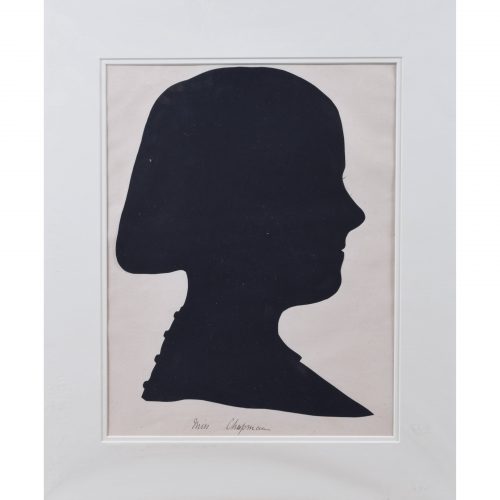
  • Silhouette (circa 1870)

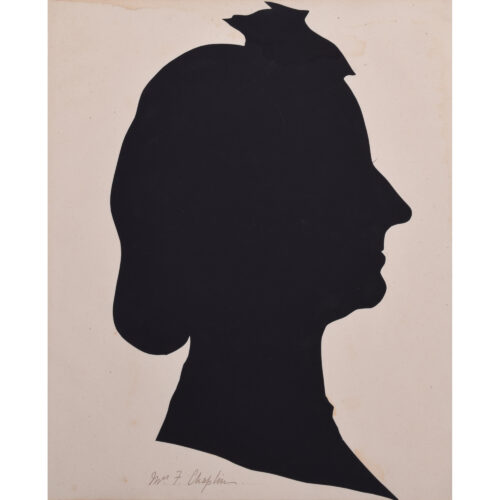
    Mrs F Chaplin

      Gouache, pen, and ink 52 x 44 cm Prior to photography, silhouettes were the easiest way of recording a person's appearance. This set might record the group present at a country house party, a wedding, or other similar convivial occasion. Condition: generally good; some staining. If you are interested, please email info@manningfineart.co.uk or call us on 07929 749056. Click here for other silhouettes.
  • Silhouette (circa 1870)

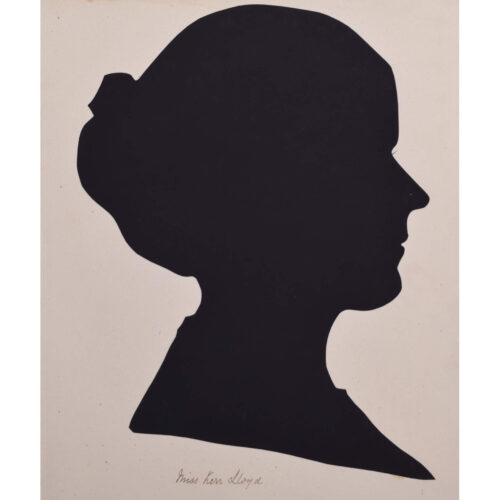
    Miss Kerr Lloyd

      Gouache, pen, and ink 52 x 44 cm Prior to photography, silhouettes were the easiest way of recording a person's appearance. This set might record the group present at a country house party, a wedding, or other similar convivial occasion. Condition: very good. If you are interested, please email info@manningfineart.co.uk or call us on 07929 749056. Click here for other silhouettes.
  • Silhouette (circa 1870)

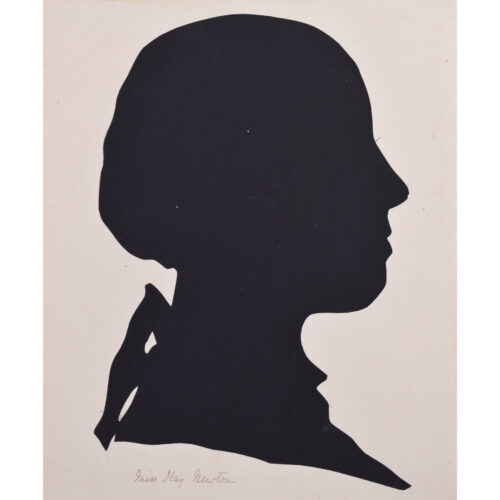
    Miss Hay Newton

      Gouache, pen, and ink 52 x 44 cm The Hay-Newtons were a wealthy family from East Lothian in Scotland. Prior to photography, silhouettes were the easiest way of recording a person's appearance. This set might record the group present at a country house party, a wedding, or other similar convivial occasion. Condition: very good. If you are interested, please email info@manningfineart.co.uk or call us on 07929 749056. Click here for other silhouettes.
  • Silhouette (circa 1870)

    Miss Alice Lowneley

      Gouache, pen, and ink 52 x 44 cm Prior to photography, silhouettes were the easiest way of recording a person's appearance. This set might record the group present at a country house party, a wedding, or other similar convivial occasion. Condition: generally good; some staining. If you are interested, please email info@manningfineart.co.uk or call us on 07929 749056. Click here for other silhouettes.
  • Silhouette (circa 1870)

    The Hon Miss Winn

      Gouache, pen, and ink 52 x 44 cm Prior to photography, silhouettes were the easiest way of recording a person's appearance. This set might record the group present at a country house party, a wedding, or other similar convivial occasion. Condition: generally very good. If you are interested, please email info@manningfineart.co.uk or call us on 07929 749056. Click here for other silhouettes.
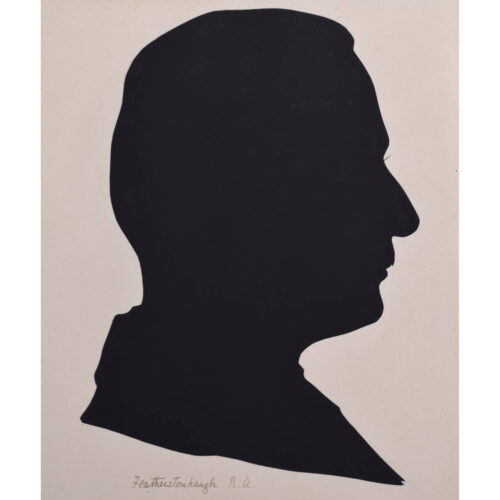
  • Silhouette (circa 1870)

    Major Chaplin, 3rd Dragoon Guards

      Gouache, pen, and ink 52 x 44 cm A silhouette of Featherstone (Christian name and rank unknown) of the Royal Artillery. Prior to photography, silhouettes were the easiest way of recording a person's appearance. This set might record the group present at a country house party, a wedding, or other similar convivial occasion. Condition: generally very good. If you are interested, please email info@manningfineart.co.uk or call us on 07929 749056. Click here for other silhouettes.
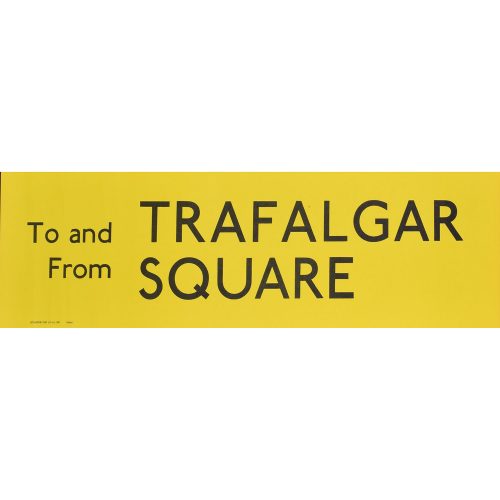
  • Trafalgar Square Routemaster Slipboard Poster c1970

    Screenprint poster 64x19cm Printed for London Transport for use on Routemaster or RT busses. If you are interested email info@manningfineart.co.uk or call us on 07929 749056.
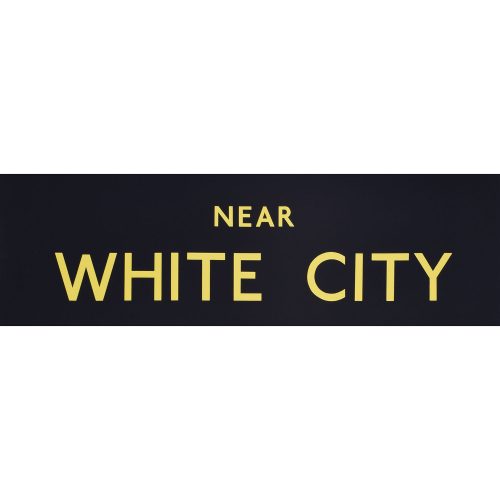
  • White City Routemaster Slipboard Poster c1970

    Screenprint poster 64x19cm Printed for London Transport for use on Routemaster or RT busses. If you are interested email info@manningfineart.co.uk or call us on 07929 749056. Condition: Good, small professionally repaired tear on right hand margin.
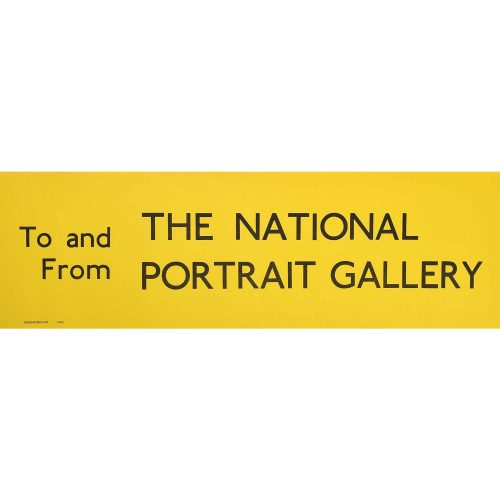
  • National Portrait Gallery Routemaster Slipboard Poster c1970

    Screenprint poster 64x19cm Printed for London Transport for use on Routemaster or RT busses. If you are interested email info@manningfineart.co.uk or call us on 07929 749056. Condition: Excellent
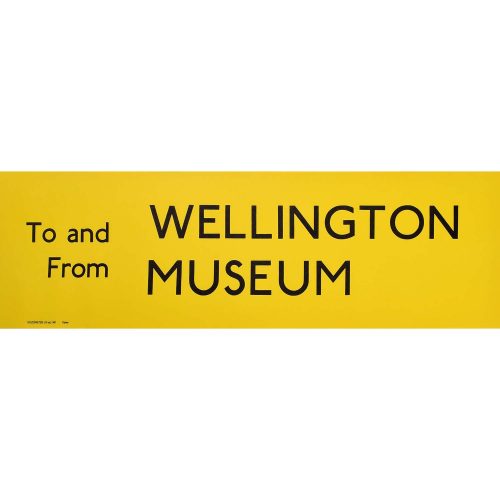
  • Wellington Museum Routemaster Slipboard Poster c1970

    Screenprint poster 64x19cm Printed for London Transport for use on Routemaster or RT busses. If you are interested email info@manningfineart.co.uk or call us on 07929 749056. Condtion: Excellent
  • To and From White City Routemaster Bus Slipboard Poster c1970

    Screenprint poster 64x19cm Printed for London Transport for use on Routemaster or RT busses. If you are interested email info@manningfineart.co.uk or call us on 07929 749056. Condition: Good.
  • Out of stock

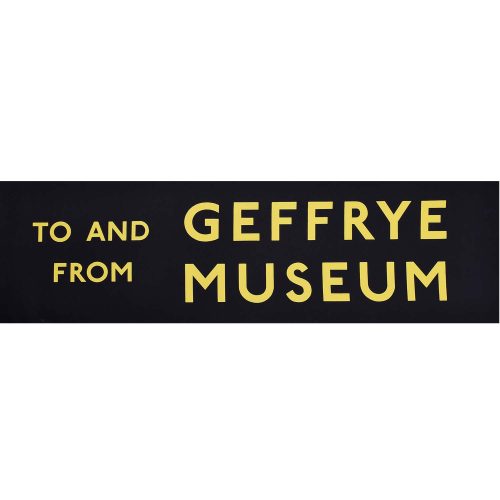
    To and From Geffrye Museum Routemaster Bus Slipboard Poster c1970

    Screenprint poster 64x19cm Printed for London Transport for use on Routemaster or RT busses. Geffrye Museum is the museum of the home. If you are interested email info@manningfineart.co.uk or call us on 07929 749056. Condition: Good.
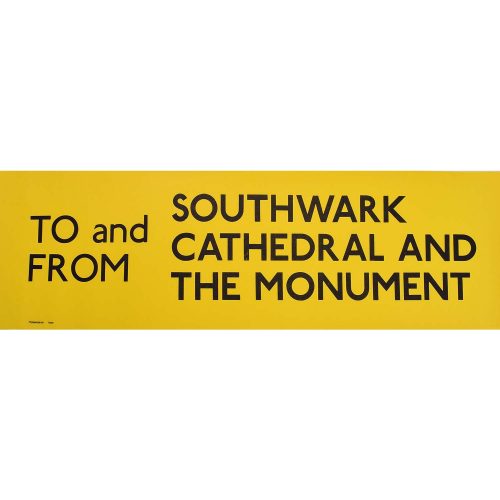
  • Southwark Cathedral and the Monument London England Routemaster Bus sign c. 1970

    Screenprint poster 64x19cm Printed for London Transport for use on Routemaster or RT busses. If you are interested email info@manningfineart.co.uk or call us on 07929 749056. Condition: Excellent.
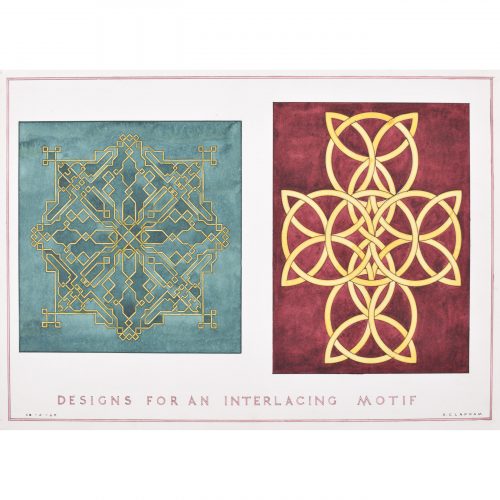
  • S Clapham (active 1940 - 1960)

    Designs for an Interlacing Motif (1949)

      Watercolour 37 x 52 cm Dated 26-2-1949 and signed. Clapham was an architect based in Stockwell in London. Condition: very good. If you are interested, please email info@manningfineart.co.uk or call us on 07929 749056. Click here for other works by the artist.
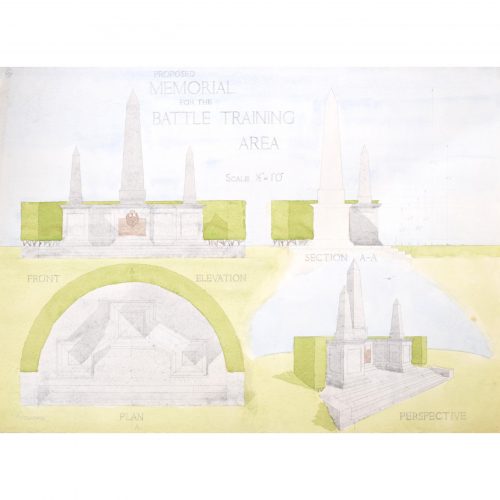
  • S Clapham (active 1940 - 1960)

    Proposed Memorial for the Battle Training Area

      Pencil wash 49 x 70 cm Signed lower left and inscribed to reverse. Clapham's designs for a modernist war memorial to be erected in a training area at an army base. Clapham was an architect based in Stockwell in London. Condition: generally very good; one small mark to far right towards bottom. If you are interested, please email info@manningfineart.co.uk or call us on 07929 749056. Click here for other works by the artist.
Go to Top